Choosing the Right Track Welding Machine for Your Projects
Understanding Track Welding Machines
What is a Track Welder?
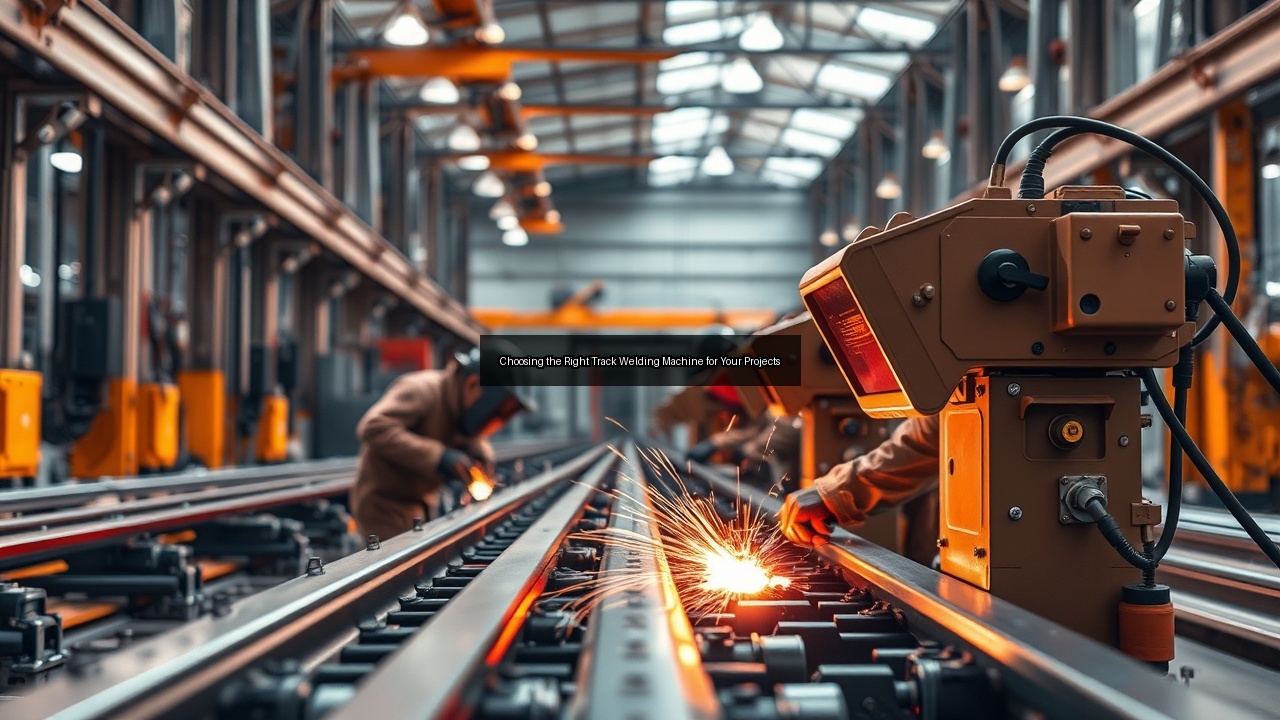
A track welder is a specialized type of welding machine designed for automated welding processes along a predetermined path. These machines excel in applications where precision and consistency are paramount, such as in the manufacturing of large structures, rail systems, or pipelines. The track welder operates on a guided track, allowing the welding head to move smoothly and efficiently, ensuring uniform welds across long distances. This innovation reduces manual labor and enhances the quality of welds, making track welding indispensable in various industrial applications.
Key Components of Track Welding Machines
Understanding the components of a track welding machine is crucial for selecting the right equipment for your projects. The primary elements include the base unit, which houses the motor and control systems, and the track system, which guides the welder along its designated path. Additionally, the welding head is crucial as it contains the electrodes necessary for the welding process. Oscillators, which create a side-to-side movement, enhance weld penetration and quality. Some machines feature advanced control systems that allow for adjustments in speed and welding parameters, ensuring optimal results regardless of the complexity of the weld.
Types of Track Welding Machines
Track welding machines come in various types, each suited for specific applications. The most common types include automatic, semi-automatic, and manual track welders. Automatic machines offer the highest efficiency, ideal for high-volume production where consistency is key. Semi-automatic machines provide flexibility, allowing operators to adjust settings based on project requirements. Manual track welders, while less common in industrial settings, are valuable for custom or smaller-scale projects. Additionally, machines can vary based on the welding method used, such as MIG, TIG, or submerged arc welding, allowing users to choose based on the material and desired weld characteristics.
Factors to Consider When Choosing a Track Welder
Project Requirements and Specifications
When selecting a track welding machine, project requirements play a pivotal role. Consider the types of materials you will weld, the thickness of the materials, and the specific welding techniques needed. For example, if your projects involve heavy steel fabrication, a machine capable of handling high amperage and robust electrodes is essential. Additionally, assess the operational environment. Will the track welder be used indoors or outdoors? Will it need to navigate uneven surfaces? Understanding these specifications ensures you choose a machine that meets both your current and future welding needs, providing the versatility required in various applications.
Return on Investment: Cost vs. Efficiency
The return on investment (ROI) is a critical consideration when purchasing a track welder. While the initial cost may seem high, evaluate the long-term benefits associated with efficiency and productivity. A more expensive machine might offer advanced features that can significantly reduce labor costs and increase output. Look for machines that provide durability and reliability, as these factors contribute to lower maintenance costs over time. Consider the efficiency of the welding process; a machine that optimizes electrode usage and minimizes waste can lead to substantial savings. Calculate potential ROI based on these factors, ensuring that your investment aligns with your business goals.
Electrodes and Their Impact on Weld Quality
The type of electrodes used in track welding directly influences the quality of the welds. Different materials and coatings on electrodes can affect penetration, arc stability, and overall weld integrity. For instance, using ceramic-coated electrodes can enhance heat retention and improve the weld's surface finish. When selecting a track welder, ensure compatibility with the electrodes you plan to use, as some machines may be optimized for specific types. Additionally, consider the welding process you are employing; for instance, MIG welding typically requires different electrodes compared to TIG welding. Understanding how electrodes impact weld quality helps you make informed decisions and achieve superior results.
Popular Brands and Models in Track Welding
Gullco International: A Leader in Track Welding Solutions
Gullco International stands out as a leader in the field of track welding solutions. Known for their innovative designs and reliable performance, Gullco offers a wide range of track welding machines that cater to various industrial applications. Their commitment to quality ensures that each machine is built to withstand the rigors of demanding work environments. Gullco’s products often feature advanced technology, such as digital control systems, allowing for precise adjustments and enhanced user experience. By investing in a Gullco track welder, you gain access to a trusted name in welding equipment, ensuring your projects benefit from cutting-edge technology and superior craftsmanship.
Comparative Analysis of Top Track Welding Machines
When comparing track welding machines, several key factors emerge as significant differentiators. Look for machines with varying degrees of automation, as this can greatly influence productivity. For instance, some models offer fully automated features, while others may require more manual input. Additionally, consider the ease of setup and operation; user-friendly interfaces can save time and reduce the learning curve for new operators. Pay attention to power capabilities, as machines with higher output can handle thicker materials more effectively. Lastly, read industry reviews and specifications to assess reliability and efficiency. Such comparisons help ensure you select the best track welding machine for your specific needs.
Customer Reviews and Recommendations
Customer reviews provide valuable insights into the performance and reliability of track welders. Prospective buyers should seek out user experiences detailing specific models and their applications. Positive feedback often highlights efficiency, ease of use, and the quality of welds produced. Additionally, recommendations from industry professionals can guide first-time buyers toward proven models that have stood the test of time. Engaging with online forums and welding communities can also yield useful insights into the best practices for using these machines effectively. By leveraging customer feedback, you can make informed decisions and choose a track welder that meets your operational needs.
Maintenance and Best Practices for Track Welders
Routine Maintenance for Longevity
Regular maintenance is essential for ensuring the longevity and performance of track welding machines. Routine checks should include inspecting the track system for any wear or misalignment, as this can impact the accuracy and quality of welds. Clean the welding head and electrodes frequently to prevent contamination that could compromise weld integrity. Lubricate moving parts according to the manufacturer’s recommendations to minimize friction and wear. Additionally, keep an eye on electrical connections and wiring for any signs of damage or wear. A proactive maintenance schedule not only extends the life of the machine but also enhances the overall safety and efficiency of your welding operations.
Tips for Optimizing Performance with Oscillators
Oscillators play a crucial role in enhancing the performance of track welders. These devices enable controlled oscillation of the welding head, improving weld penetration and bead appearance. To optimize performance, adjust the oscillation frequency based on the material being welded and the desired weld characteristics. For thicker materials, a wider oscillation may be beneficial, while thinner materials might require finer oscillation settings. Experimenting with different oscillation patterns can yield better results, allowing for a more tailored approach to each project. Additionally, ensure that the oscillator is regularly calibrated and maintained to guarantee consistent performance and high-quality welds.
Safety Considerations in Track Welding
Safety remains a top priority in track welding operations. Operators should always wear appropriate personal protective equipment (PPE), including helmets, gloves, and protective clothing to shield against sparks and heat. Ensure that the work area is well-ventilated to avoid the buildup of harmful fumes. Before operating the track welder, familiarize yourself with the machine’s safety features and emergency stop mechanisms. Regular safety training for all operators can further enhance workplace safety, ensuring that everyone understands the risks and proper operating procedures. By prioritizing safety, you create a more secure working environment while maximizing productivity.