The Science Behind Outdoor Humidity and the Role of Dehumidifiers
Understanding Humidity and Its Impact
What is Humidity?
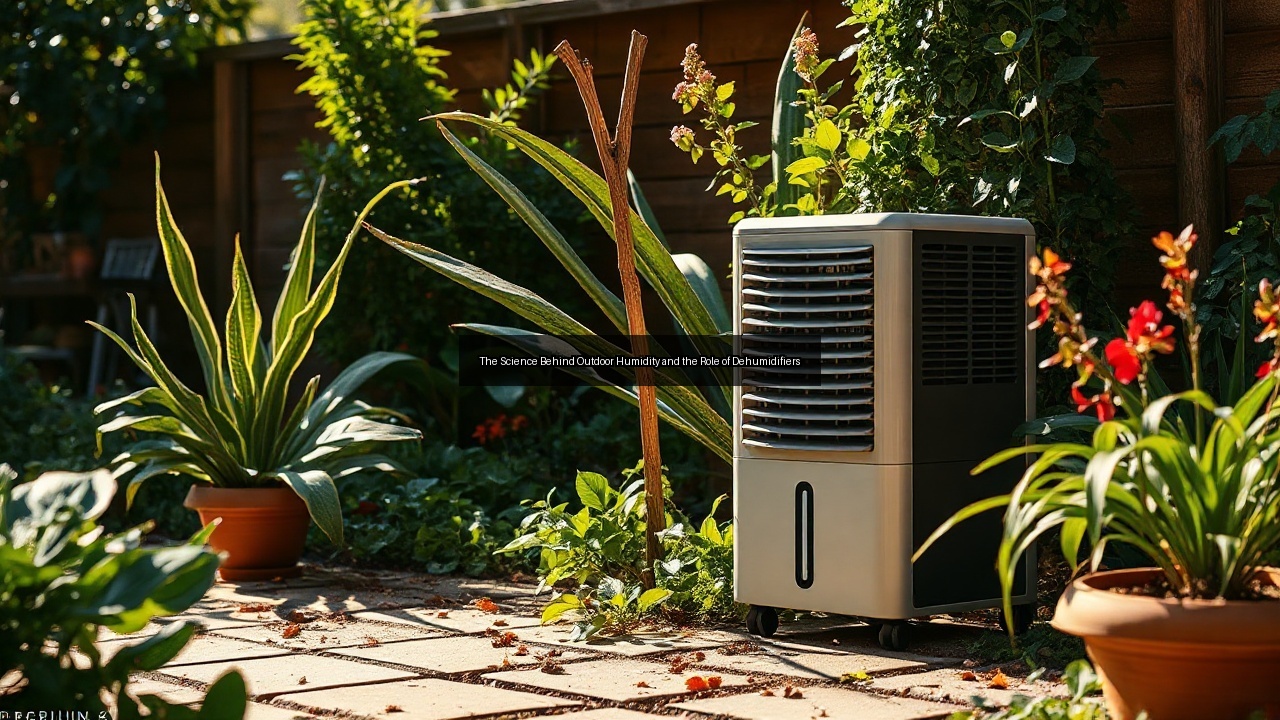
Humidity measures the amount of water vapor present in the air, and outdoor conditions often push levels higher than people expect. Warm air holds more moisture, so summer days frequently create sticky, oppressive environments that affect comfort and equipment alike. An outdoor dehumidifier tackles this excess directly by pulling moisture from the surrounding atmosphere before it settles on surfaces. High humidity outdoors accelerates corrosion on metal fixtures, promotes mold growth on fabrics, and makes patios feel unpleasant even without direct sunlight. Understanding these basics helps users select tools that maintain drier conditions around homes and recreational areas without relying solely on indoor solutions.
The Science of Moisture in the Air
Moisture enters the air through evaporation from soil, bodies of water, and plant transpiration, then lingers until temperature drops cause condensation. This cycle intensifies in humid climates where dew points stay elevated for extended periods. An air dehumidifier works by cooling coils to force water vapor into liquid form, which collects in a tank or drains away. The process reduces relative humidity without altering temperature dramatically, preserving outdoor usability. Science shows that every 10 percent drop in humidity can cut perceived temperature by several degrees, making spaces more tolerable. Outdoor dehumidifiers apply this principle on a larger scale to protect decks, storage sheds, and pool enclosures from constant dampness.
Effects of High Humidity on Outdoor Environments
High humidity warps wooden structures, rusts tools left outside, and encourages mildew on cushions and awnings. Gardens suffer when leaves stay wet, inviting fungal diseases that reduce yields. An outdoor dehumidifier counters these effects by continuously removing gallons of water daily from the air. Without intervention, moisture buildup raises electricity costs for air conditioning units working overtime to compensate. Visitors avoid humid patios, cutting into outdoor living time. Industrial outdoor dehumidifiers scale this protection for commercial patios and event spaces, keeping surfaces dry and equipment functional. Regular use prevents long-term damage that repairs would otherwise demand.
The Role of Dehumidifiers in Outdoor Spaces

How Dehumidifiers Work
Dehumidifiers pull air across refrigerated coils where moisture condenses and drips into a collection tank or hose. The now-drier air returns to the space, lowering overall humidity levels. An outdoor dehumidifier adds weather-resistant housing to handle rain and temperature swings that indoor models cannot survive. Fans circulate air effectively across larger areas such as covered porches or greenhouse interiors. The compressor drives the cooling cycle, and automatic sensors adjust operation based on real-time readings. This mechanical approach extracts water without chemicals, making it reliable for continuous outdoor duty.
Types of Outdoor Dehumidifiers
Portable units with wheels suit smaller patios and move easily between zones. Whole-space models connect to ducts for broader coverage across multiple outdoor rooms or gazebos. Industrial dehumidifiers deliver high-capacity removal for large venues like sports facilities or warehouses with open loading areas. Desiccant types use moisture-absorbing materials for cooler climates where compressor models lose efficiency. Each type addresses specific needs, from compact tank sizes to continuous drainage setups. Best outdoor dehumidifier choices often combine portability with robust construction for year-round performance.
Benefits of Using Outdoor Dehumidifiers
Lowered humidity protects furniture and prevents slippery surfaces that cause falls. Energy bills drop when HVAC systems run less to combat damp air. An outdoor dehumidifier extends the lifespan of electronics and machinery stored outside by reducing corrosion risk. Comfort improves noticeably, encouraging more time spent in fresh air. Large capacity dehumidifier models handle heavy rainfall seasons without frequent emptying. These units also support better air quality by limiting allergens that thrive in moist conditions, creating healthier environments for families and guests alike.
Energy Efficiency and Performance
Understanding Energy Star Ratings
Energy Star ratings identify dehumidifiers that meet strict efficiency benchmarks set by environmental agencies. Units earn this label by removing more moisture per kilowatt-hour than standard models. An outdoor dehumidifier with this certification saves substantial electricity over its lifetime while maintaining strong performance in variable weather. Consumers compare ratings to find models that balance power use with capacity. Higher ratings often pair with advanced compressors that cycle intelligently rather than running constantly. This focus on efficiency reduces operating costs without sacrificing the ability to handle humid outdoor conditions effectively.
Comparative Analysis of Dehumidifier Energy Consumption
Small portable outdoor dehumidifiers typically draw 300 to 500 watts, while industrial versions may require 1000 watts or more during peak loads. Models with variable-speed compressors adjust output and cut electricity use during milder periods. A large capacity dehumidifier often proves more efficient per gallon removed than several smaller units running simultaneously. Tank size and drainage options also influence total energy because units that empty automatically avoid extra fan cycles. Comparing wattage against daily moisture removal helps buyers select an air dehumidifier that delivers results without excessive power draw.
The Role of Compressors in Efficiency
The compressor acts as the heart of most dehumidifiers, pressurizing refrigerant to enable moisture extraction. Modern variable-speed compressors ramp up or down based on demand, using less electricity than older single-speed designs. An outdoor dehumidifier benefits from rugged compressor components built to withstand temperature extremes. Efficient compressors maintain performance even when ambient air exceeds 80 degrees, preventing the unit from working harder than necessary. Regular maintenance keeps these parts operating at peak levels and preserves the energy advantages that make dehumidification practical for extended outdoor use.
Selecting the Right Dehumidifier for Your Needs

Factors to Consider When Choosing an Outdoor Dehumidifier
Climate patterns, space size, and drainage access guide the selection process. An outdoor dehumidifier must feature corrosion-resistant materials and proper IP ratings for weather exposure. Capacity measured in pints or gallons per day determines how quickly humidity drops in target areas. Noise levels matter near living spaces, while portability affects placement flexibility. Integration potential with existing HVAC systems adds value for whole-property solutions. Buyers should evaluate these elements against specific site conditions to avoid underpowered or oversized equipment.
Capacity and Tank Size: Finding the Right Fit
Capacity ratings indicate how many gallons of water a unit removes daily under standard test conditions. Larger tanks reduce emptying frequency, which proves useful in remote outdoor locations. A 50-pint outdoor dehumidifier suits moderate patios, whereas 70-pint or higher models handle bigger zones or peak humidity seasons. Continuous drain options eliminate tank concerns entirely by routing water away through hoses. Matching capacity to measured moisture load prevents short cycling and extends equipment life while delivering consistent dehumidification results.
Warranty and Maintenance Tips
Strong warranties cover compressor failures and other critical components for several years. An outdoor dehumidifier typically requires periodic coil cleaning and filter checks to sustain performance. Users should inspect seals and drainage lines before each season to avoid leaks. Following manufacturer schedules for refrigerant checks preserves efficiency and warranty validity. Proper storage during winter months protects against freeze damage. These practices maximize return on investment and keep the unit operating reliably across multiple humid seasons.
Integrating Dehumidifiers with HVAC Systems
Dehumidification Systems Explained
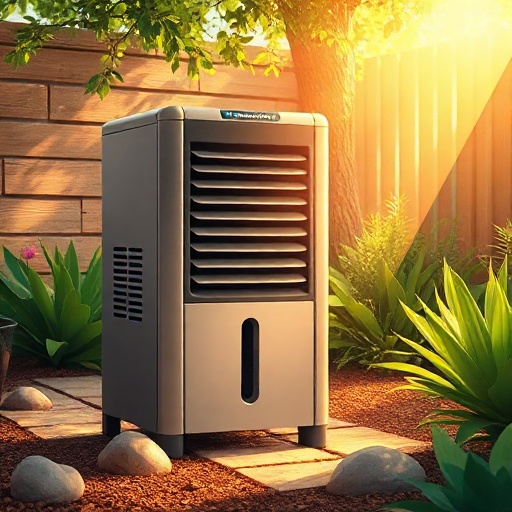
Dehumidification systems combine dedicated units with existing airflow pathways to control moisture across entire properties. An outdoor dehumidifier can feed into these setups through insulated lines that prevent condensation. Sensors coordinate operation with air handlers so humidity stays balanced without overcooling spaces. Whole-home approaches reduce the load on central air conditioners and improve overall comfort. Proper sizing ensures the system handles peak outdoor humidity events without excessive runtime or energy waste.
Enhancing Indoor Air Quality with Ducted Dehumidifiers
Ducted dehumidifiers connect directly to HVAC ductwork and distribute dry air evenly through rooms. An outdoor dehumidifier positioned near the intake supplies pre-treated air that mixes with conditioned indoor streams. This integration lowers humidity in living areas while protecting against outdoor moisture infiltration. Filters within the duct system capture additional particulates, boosting air quality further. Homeowners gain consistent comfort and reduced allergens without running multiple standalone units throughout the property.
Industrial Outdoor Dehumidifiers for Large Spaces
Industrial outdoor dehumidifiers manage massive air volumes in warehouses, sports complexes, and commercial patios. High-capacity compressors and reinforced cabinets withstand continuous duty in exposed locations. These units often include advanced controls that tie into building management systems for automated response. Large capacity dehumidifier designs extract dozens of gallons daily, keeping expansive areas dry and functional. Facilities benefit from reduced maintenance on stored goods and improved safety on moisture-prone floors. Proper installation ensures reliable performance across demanding environments.